


Single vs Double-Sided Lightboxes: Which Is Right for You?
Choosing between single- and double-sided SEG lightboxes can change how your booth feels and functions. Each option has its strengths, and the right choice depends on your layout, traffic flow, and marketing goals. Here’s a breakdown to help you decide.
Single-Sided Lightboxes
Single-sided lightboxes are the most common type for back walls and inline booth setups. They feature one illuminated face with a solid, blockout back panel that keeps light focused forward.
- Best for: Inline booths, wall displays, and areas where one viewing direction matters most.
- Advantages: Lighter weight, easier setup, and energy-efficient since only one LED array is used.
- Pro Tip: Use a blockout back to enhance contrast and prevent rear light spill in bright venues.
Double-Sided Lightboxes
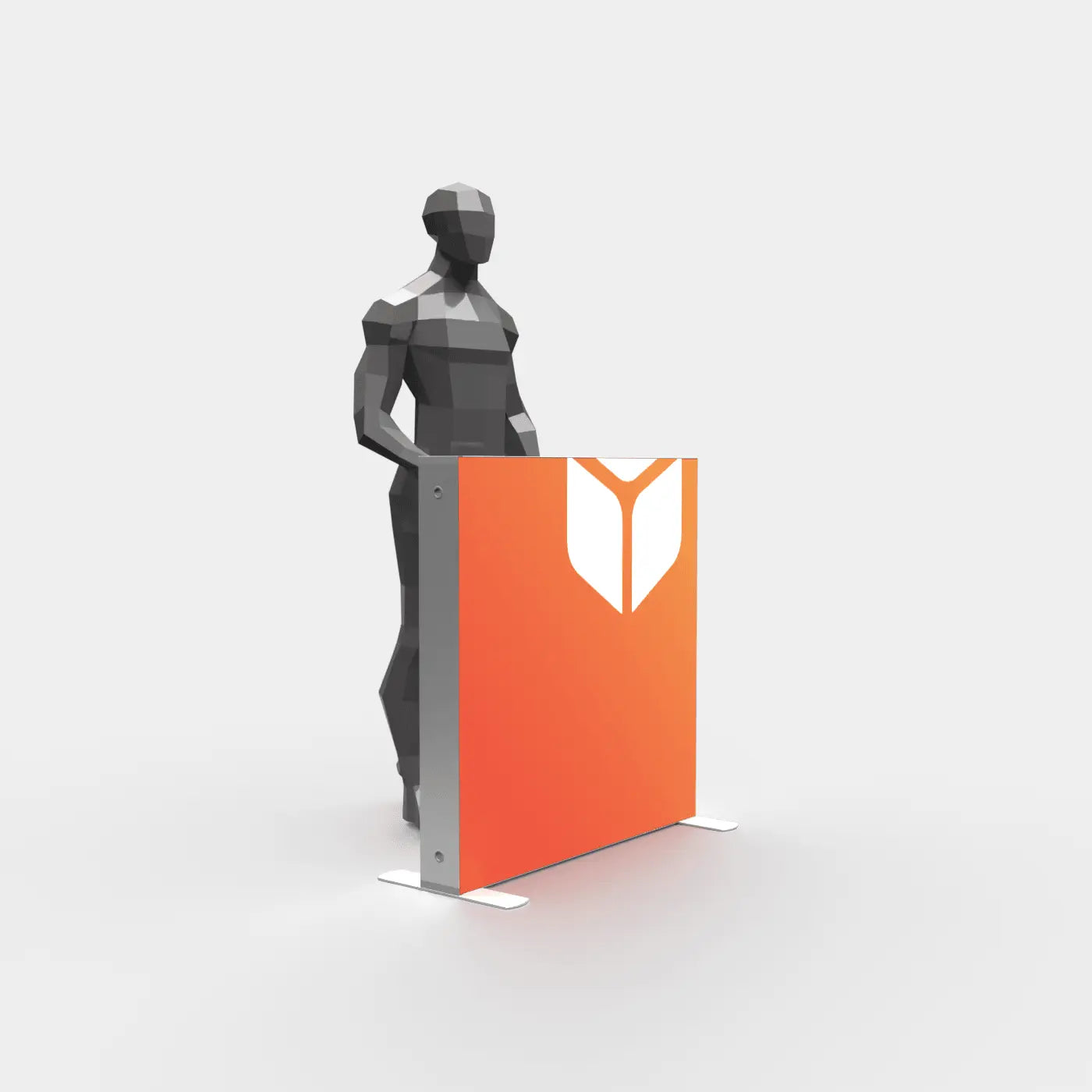
Double-sided SEG lightboxes illuminate from both sides, making them ideal for open spaces or island exhibits. They attract attention from multiple directions and are often used as dividers or freestanding towers.
- Best for: Island or peninsula booths, event lobbies, and high-traffic walkways.
- Advantages: Maximized visibility, versatile positioning, and consistent brightness front to back.
- Pro Tip: Use different graphics on each side — one for branding, one for product or event promotion.
When to Use Each Type
| Setup Type | Recommended Lightbox |
|---|---|
| 10x10 Inline Booth | Single-sided wall |
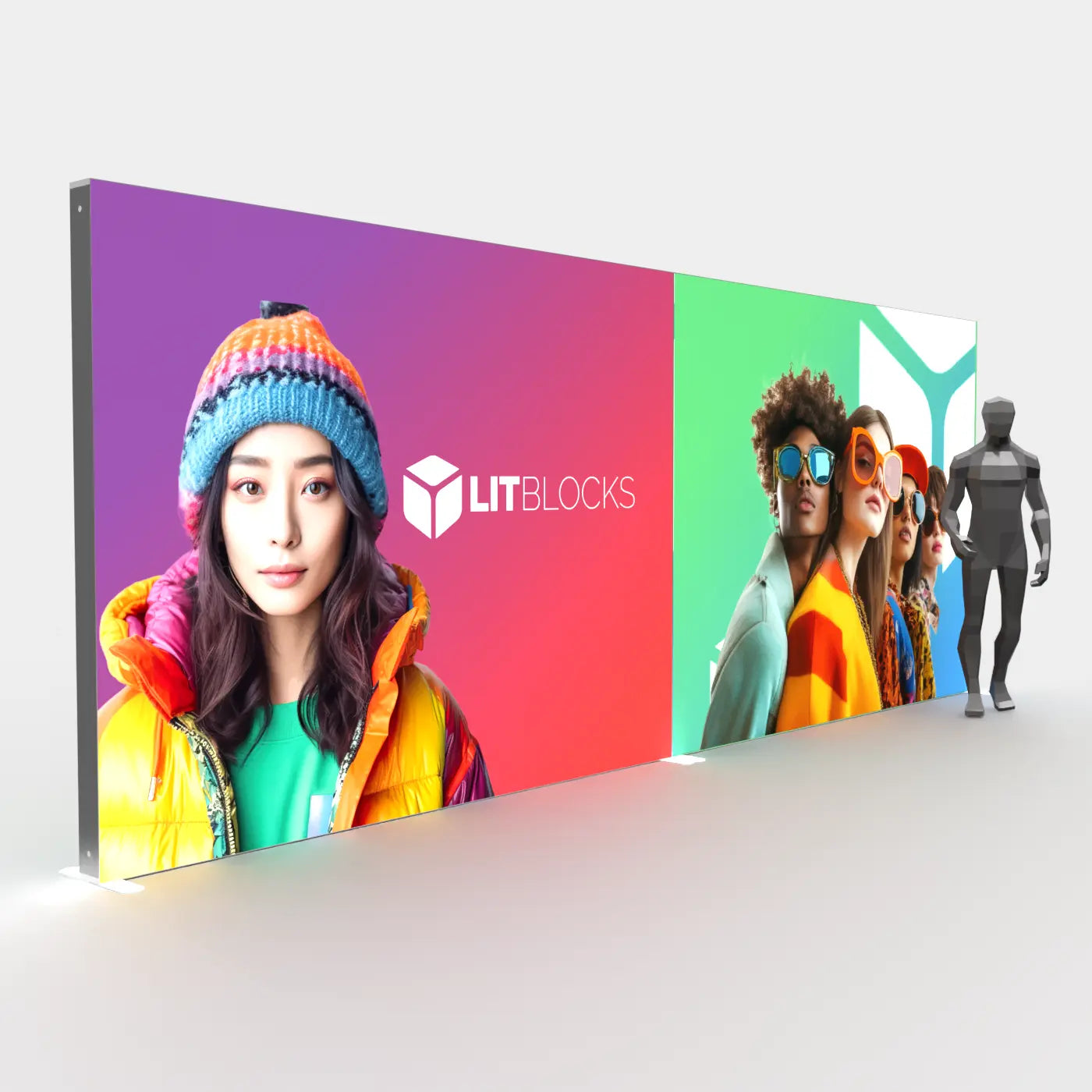
| 10x20 or Island Booth | Mix of single and double-sided panels |
| Retail Display | Double-sided tower or hanging frame |
| Reception or Office | Single-sided wall or backlit logo frame |
Combining Both for Impact
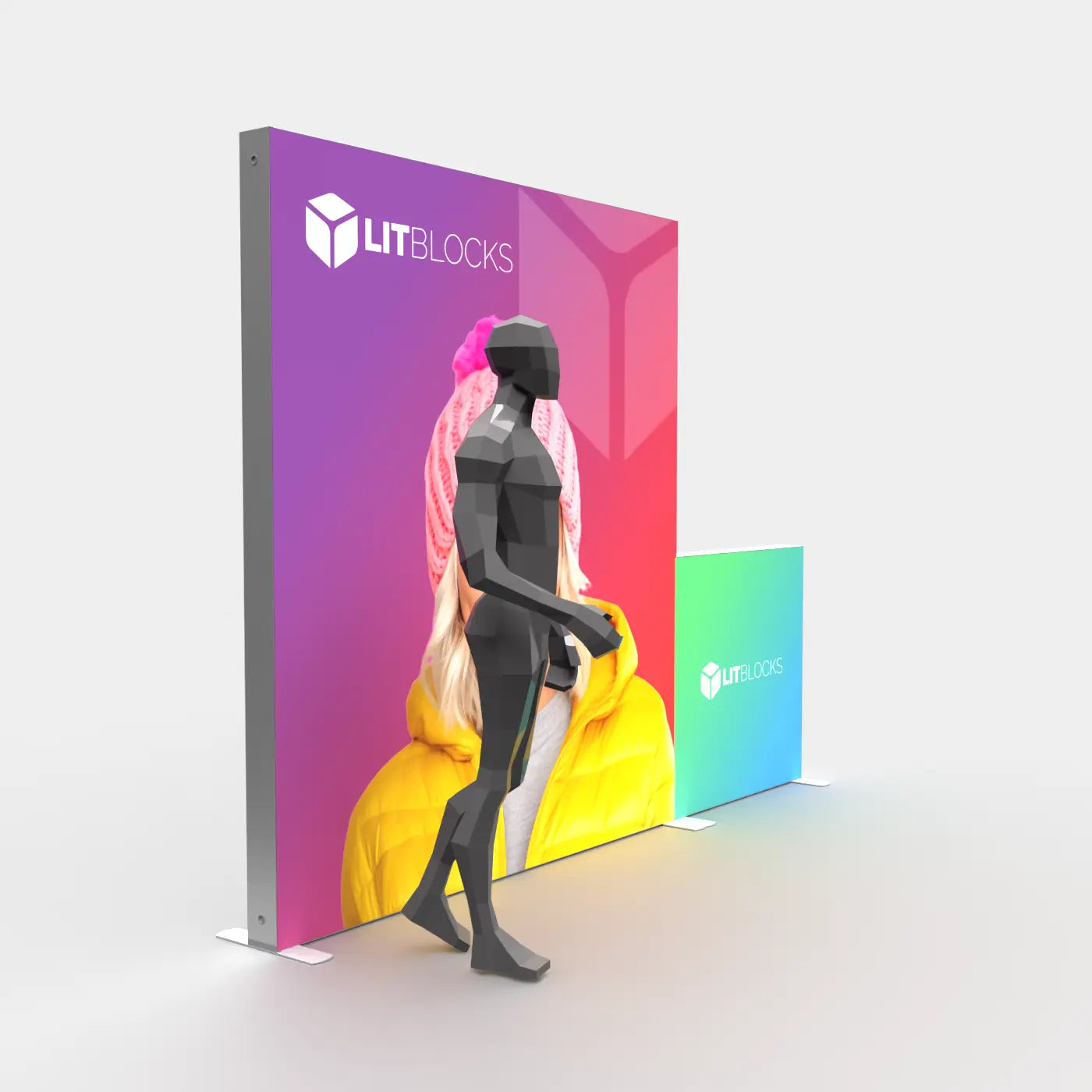
Many exhibitors use both types in the same booth. A single-sided back wall creates a strong focal point, while double-sided towers or counters pull visitors in from the aisles. Mixing both adds dimension and helps guide traffic naturally through your space.
For examples of effective booth layouts, check out How to Configure SEG Mobile Lightbox Sizes or explore How to Combine SEG Lightboxes with Other Display Elements.
Final Thoughts
Whether you go single- or double-sided, the goal is the same: consistent light, seamless graphics, and strong brand visibility. Choose what fits your environment, then design accordingly for maximum visual impact.
Ready to elevate your booth? Explore SEGO Lightboxes and Mobile Displays at LitBlocks.
Share:
Common Questions About SEG Lightboxes (FAQ)
Transport and Storage Tips for SEG Lightboxes